Days Of Sorrow: From the Rhine to the Mediterranean
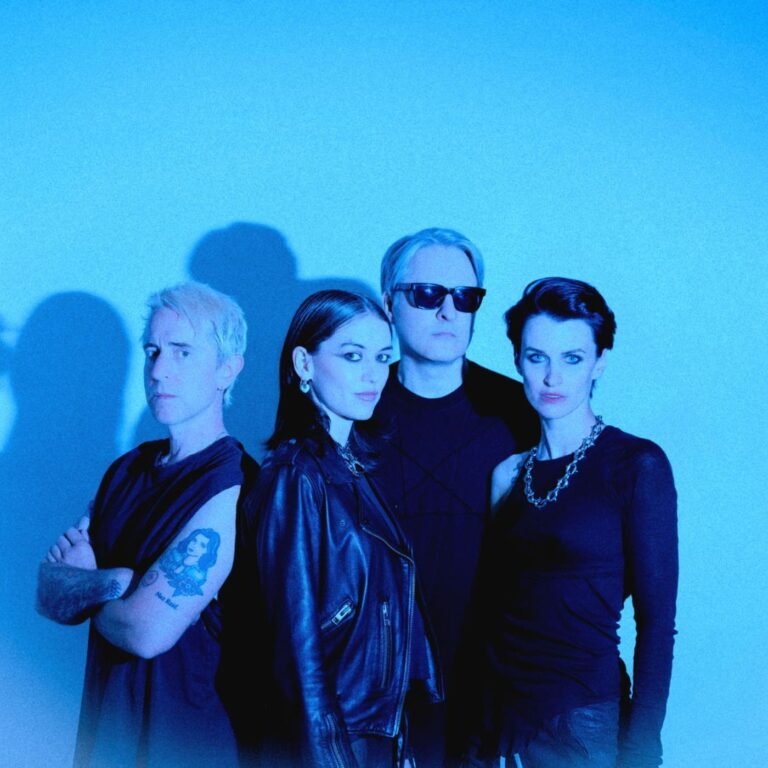
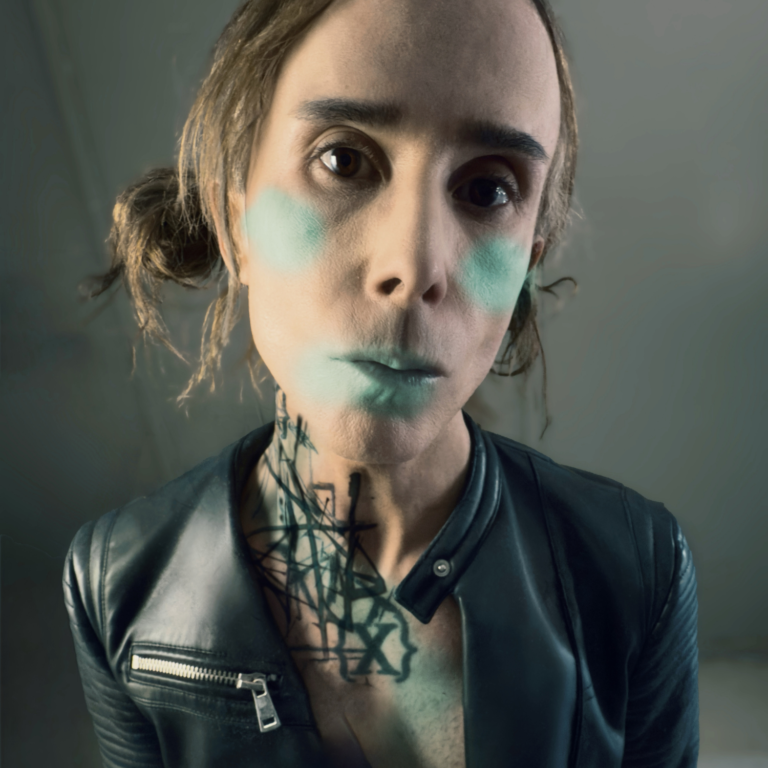
We spoke with William,, the voice of Days of Sorrow, on the beach in Torredembarra. By the sea, between anecdotes that connect the cold of Dortmund with the warmth of Catalonia, we revisited the band’s origins, their current working process, their connection with younger generations, and their immediate plans. An intimate conversation about the early days of German coldwave and DIY recording in the 1980s.
Interview by Josi.
The Early Years
Josi: Looking back at the years between 1983 and 1986, what do you think set Days of Sorrow apart from other German post-punk bands of that time?
William: I think what made the difference were the people in each band. Many of us didn’t really know how to play properly, but we had access to synthesizers and drum machines, which allowed us to experiment. In our case, the combination of who we were, the limited equipment, and the urge to create gave us our own sound. We rehearsed in a freezing, damp space, but we didn’t care. We stayed there for hours composing. That’s where songs like “Travel” and “Wild World” were born. It was a crazy time, yes, but also a lot of fun.
Josi: Your recent singles have very precise production. Are you now aiming for a level of perfection that wasn’t possible in the 80s?
William: Yes, of course. Back then we couldn’t aim for that because of technical limitations. Recording was expensive. Sometimes we rented a studio, but often we used a four-track recorder, which was already expensive. Today you can have everything in the box and record from home with professional quality. I’ve spent my whole life in music, so I know how to build a more polished sound. I don’t chase perfection as a goal, but it’s simply how I work now.
Josi: There’s a clear continuity between your early material and your current work. How do you maintain that balance between preserving your sound and evolving?
William: It’s simple. We use the same equipment as in the 80s. A Roland drum machine, a Yamaha DX7, and back then we had a Juno 60, which was stolen. Now we use software emulations. Still, we try to stick to those core sounds. Sometimes we add an Oberheim or a Prophet, but the foundation remains the same. That’s what keeps the essence alive.
Josi: Have your lyrics changed over time? Are you still inspired by the same themes?
William: It depends. Sometimes I return to the emotions of the 80s, and that reflects in the lyrics. In fact, we have a new track coming out on the next album called “Who We Are,” which talks about exactly that, who we were and who we still are. I also continue writing about politics, just like before. In the 80s there were already crises and stupid politicians. That doesn’t change much.

Days of Sorrow Today
Josi: You’re playing festivals with younger audiences. How do you feel Days of Sorrow fits into today’s scene?
William: It’s amazing to see young people starting to buy our records. Recently, at a friend’s party, his son, about 22 years old, came up to me and said, “Are you William from Days of Sorrow? We play ‘Wild World’ at all our parties.” I was stunned. Live, I try to transmit energy. I’m not someone who just stands still. I like connecting with the audience, and it seems they appreciate that.
Josi: How does your creative process today compare to the 80s?
William: Very different. Back then we met in the rehearsal space, improvised, and songs came out of that. Now I have my studio at home. I do almost everything myself, keyboards, programming, vocals. Then I send the tracks out. Frank Junge, our main keyboardist, lives in Dortmund. Our guitarist, Yoyo Brandt, lives in Hamburg. Katie, the other keyboardist, lives about an hour and a half from Dortmund. We all have jobs and families, so we can’t rehearse together anymore. I build everything first, then we adjust by email: “play this part slightly differently” or “use another sound here.” That’s how we’re finishing the new album right now. In fact, I have it on pause while talking to you.
Josi: Nostalgia is often mentioned in today’s darkwave scene. Do you think it’s a creative engine or a limitation?
William: It can be both. Some bands get stuck, and that can become boring. But it’s also part of who we are. We come from the 80s, so yes, there’s nostalgia in what we do, but we don’t stay trapped in it.
Josi: Are there old demos or recordings you’re still considering releasing?
William: We released some three years ago on Dead Wax, a double LP called Whatever Happens, a title taken from a line in “Wild World.” There are still one or two songs recorded on cassette, but the quality is very low. I have a four-track cassette with four songs on it, but the recorder is broken. If I manage to fix it, we’ll see what’s there. But I can’t promise anything.
Josi: What are your plans for 2025?
William: Once we finalize the album tracklist, we’ll make at least one music video. From September onwards we’re playing live again, two dates with Clan of Xymox in Belgium and Hamburg, and probably Berlin. We’re also looking at dates in Italy and we definitely want to return to Spain.
William: Thank you for your questions. It’s been a lovely conversation. I wish you great success with Other Voices and hope to see you at a show. All the best.
Closing: The Past as a Compass
William doesn’t try to bring time back, but he’s not afraid to look at it either. His music still holds that tension between rigid rhythm and human fragility, the legacy of bands born with cold in their bones and warmth in their synthesizers. And today, thanks to moments like this, between friends under the Catalan sun, the spirit of that coldwave never truly disappeared.