The History of Synthpop: From Electronic Origins to the 80s Boom
Synthpop (sometimes called technopop or electropop) is a musical genre that combines the post-punk energy of new wave with the electronic innovations of the late 1970s and early 1980s. It was born from the sonic experimentation of electronic pioneers in the seventies, exploded in popularity during the eighties, and continues to influence contemporary music. In this article, we explore the history of synthpop in a casual and engaging way, with special emphasis on its global rise during the 1980s.
The History of Synthpop: Origins in the 70s
The origins of synthpop trace back to the electronic experiments of the 1970s, when synthesizers began to be incorporated into popular music. It all started with pioneers like the German band Kraftwerk, whose groundbreaking albums, especially Autobahn (1974), demonstrated the potential of electronic keyboards in pop music.
Visionary artists such as Brian Eno and David Bowie also explored electronic textures during this period, paving the way for a new sound. By the late 1970s, inspired by these futuristic explorations, a handful of UK groups became interested in replacing (or at least complementing) rock guitars and drums with synthesizers and drum machines.
This initial wave was modest and emerged during the explosion of punk rock, which meant the new electronic sound initially went somewhat unnoticed. Punk and post-punk dominated the scene and overshadowed these early synth-driven experiments. Still, the seed of synthpop had already been planted.
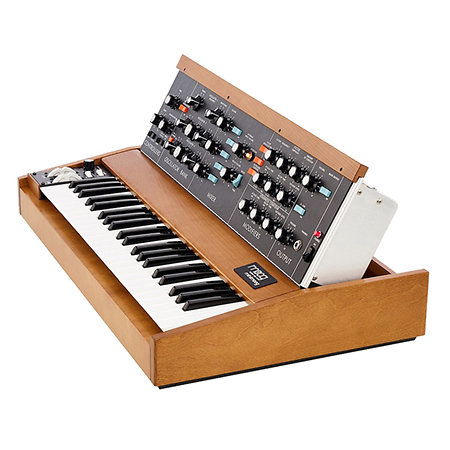
Around 1978–1979, some musicians coming from the punk scene began giving absolute prominence to synthesizers. A famous example is Gary Numan, leader of the British band Tubeway Army, who transformed his sound after discovering the Minimoog synthesizer.
The result was the single “Are Friends Electric?” (1979), an unexpected UK hit often cited as one of the first synthpop anthems. During these years, bands like The Human League, Ultravox, Orchestral Manoeuvres in the Dark (OMD), and Japan experimented with blending synthesizers with post-punk and glam aesthetics.
Unlike the long experimental electronic pieces of the 1970s, early synthpop songs were shorter, melodic, and radio-friendly, designed to fit FM radio formats and emerging music video platforms. Although still a niche genre at the end of the 70s, everything would change with the arrival of the new decade.
The History of Synthpop: The 80s Explosion
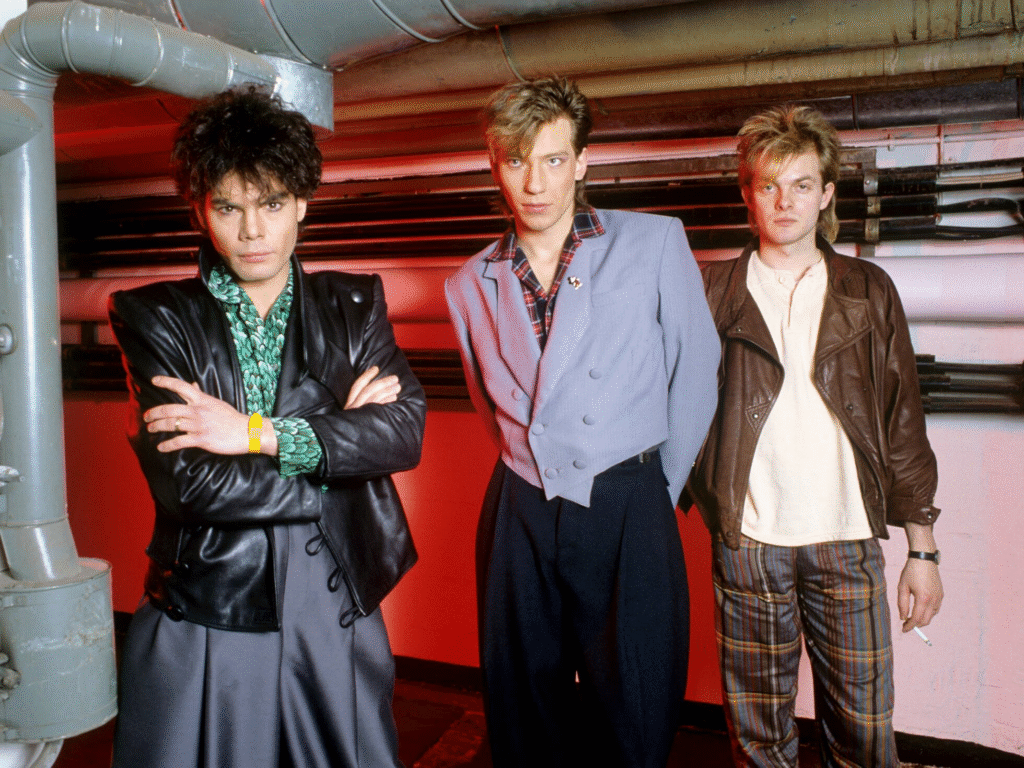
The British quartet Depeche Mode in 1983, at the height of the 80s synthpop wave. Bands like this brought synthesizer-driven pop to international charts with a catchy and forward-thinking style.
If the seed was planted in the 70s, it fully bloomed in the 1980s. From 1980–81 onward, a wave of keyboard-driven bands stormed international charts.
The formula was irresistible: catchy pop melodies performed with fresh electronic sounds, presented with modern aesthetics and boosted by creative MTV music videos. The UK led this explosion in what is sometimes referred to as the “Second British Invasion.”
Bands like Duran Duran, Soft Cell, Alphaville, Thompson Twins, Eurythmics, Tears for Fears, A Flock of Seagulls, A-ha, and The Human League conquered massive audiences with hits such as “Don’t You Want Me,” “Tainted Love,” “Take on Me,” and “I Ran (So Far Away).”
Overnight, the synthesizer sound moved from underground curiosity to mainstream soundtrack. Even traditionally rock-oriented artists incorporated electronic keyboards into their productions. The 1980s became the golden age of synthpop, a period when futuristic aesthetics went fully mainstream.
The phenomenon was global. While the UK dominated, other countries embraced synthpop in their own way. In Germany, Alphaville achieved international fame with “Big in Japan.” In the United States, Devo broke barriers with “Whip It” (1980), proving American audiences were ready for electronic pop.
In Japan, Yellow Magic Orchestra had already explored Kraftwerk-inspired electronic sounds in 1978. Spain also embraced the movement during the Movida era, with groups like El Aviador Dro, Azul y Negro, and later Mecano, who began under the technopop label before evolving stylistically.
Young musicians armed with analog synthesizers were reshaping pop with futuristic tones.
By the mid-80s, however, saturation began to appear. 1984 is often cited as a turning point. Many classic synthpop bands released their last major hits before shifting direction or breaking up, while guitar-driven bands like The Smiths captured public attention.
Meanwhile, electronic music evolved elsewhere. Chicago house and Detroit techno began merging with electronic pop toward the late 80s. Bands like Pet Shop Boys, Erasure, and Communards still found success, but increasingly within club and dance scenes rather than mainstream radio.
By the end of the 80s, synthpop’s commercial dominance was fading.
The History of Synthpop: Decline in the 90s
The 1990s marked a shift in popular music. Grunge, britpop, and other guitar-based styles displaced the keyboard-driven aesthetic of the 80s.
Many iconic bands either disbanded or shifted direction. Depeche Mode survived but adopted a darker, more organic tone. Others like The Human League or OMD largely disappeared from mainstream charts.
While synthpop lost visibility, its legacy never vanished. Underground scenes kept it alive, especially in Europe. Dance-pop movements like Eurodance and techno borrowed elements of synthpop for the dancefloor.
The History of Synthpop: 21st Century Revival
The real surprise came in the 2000s and especially the 2010s. A renewed interest in 80s sounds emerged, driven by retro nostalgia, digital technology advancements, and fatigue with guitar-dominated pop.
A new wave of contemporary synthpop acts gained traction. Bands such as CHVRCHΞS, La Roux, The Naked and Famous, Cut Copy, and Hurts brought melodic electronic textures back to prominence.
Even indie and hip hop artists incorporated retro synths into their productions. Global pop superstars like Lady Gaga, Madonna, and The Weeknd openly embraced 80s aesthetics in recent hits.
By the mid-2010s, the synthpop revival was evident in festivals and charts. The rise of synthwave added further retro-futuristic fuel, though mostly within cult circles.
Today, synthpop remains vibrant in both alternative and commercial spaces. Acts like CHVRCHΞS, since 2013, have proven that the blend of pop vocals, catchy melodies, and synthesizer arrangements remains timeless.
In the 21st century, synthpop is not merely nostalgia. It is a living genre, evolving with one foot in future technology and the other in the melodic charm of the past.

Enjoy our playlist “The History of Synthpop” on TIDAL.