Oblique’s Until There’s Nothing Left marks a shift toward the shadows
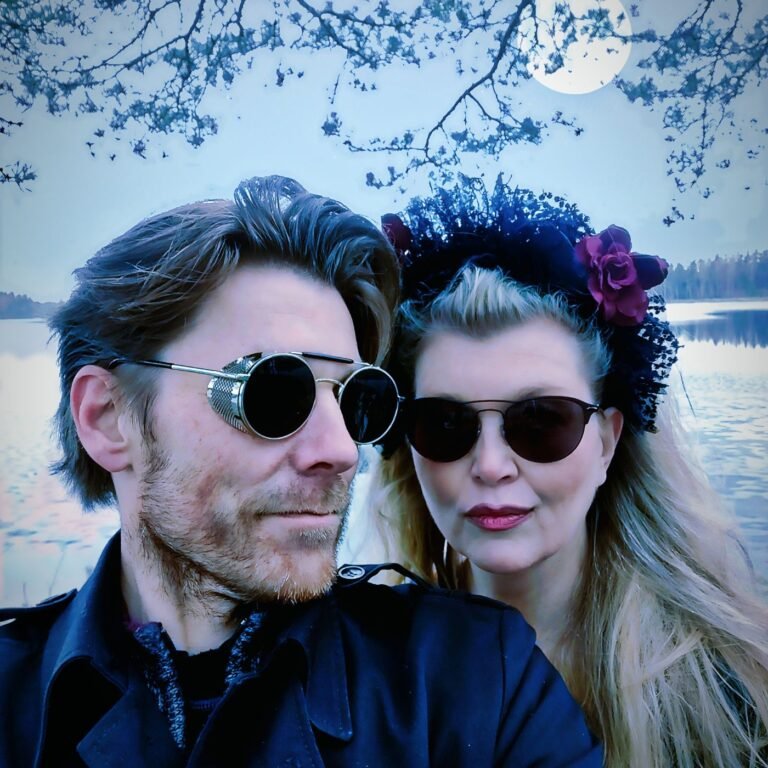
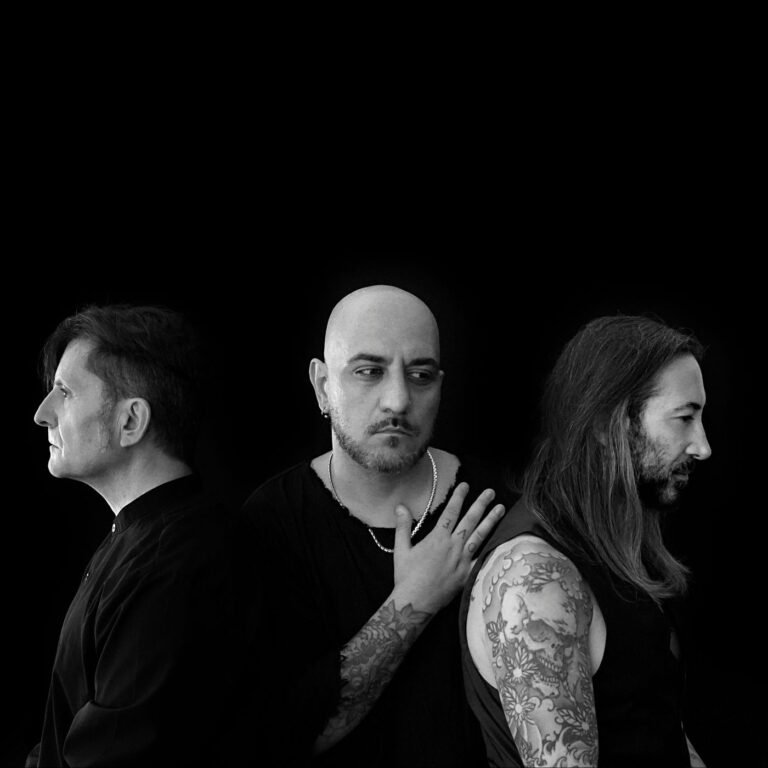
Oblique have enough history in the synth scene to earn a stylistic turn without it sounding like a pose. Until There’s Nothing Left, their new record, backs that up: eight tracks that push the duo’s usual synthpop into colder territory, with Sonja’s vocals up front and Gonzalez’s analogue synthesisers driving a rawer production than on previous releases. This isn’t a full reinvention. It’s a shift in key, literal and otherwise, and it works better than you’d expect from a band this far into its career.
“Black Circle” opens on the band’s darkest note yet
“Black Circle” is the darkest thing Oblique have released to date. Anyone who knows the duo for their lighter, occasionally cheesy synthpop will find a lowered-key bassline here that pushes the track toward genuinely dark territory without abandoning the electronics that define the band. It’s an effective statement of intent: the record signals from the first cut that something in the approach has changed.
“Walking With Shadows” and the weight of Gonzalez’s synths
The second track drops the tempo and leans closer to synthwave than manual-issue synthpop. Gonzalez’s synth work is the strongest element here, textures that carry the song without needing extra flourish. Sonja’s vocal sits alongside the instrumentation with precision rather than fighting to dominate it, which is exactly what the track calls for.
“Silent Traveler”, the record’s most minimal moment
“Silent Traveler” opens with a bass fade-in that pulls you in from the first second, one of the best-executed production choices on the album. The synths here go rawer, more minimal than the rest of the tracklist, and it’s Sonja who gives the song an epic quality that offsets that instrumental bareness. It’s the cut where the tension between rawness and grandeur resolves most cleanly.

“State Of Wild” brings back the synthpop pulse
“State Of Wild” returns to a more synthpop rhythm, closer to what Oblique have done on previous records. It functions as a hinge within the tracklist, easing off the tension built up over the two preceding tracks without breaking the album’s internal coherence. It’s not the most ambitious track here, but it does its job cleanly.
“City Of Grey” is Until There’s Nothing Left at its peak
If one track has to be singled out, it’s “City Of Grey”. The record returns to the dark synthwave that dominates its first half, and the underlying track is simply the strongest on the album. It’s the point where every element, Gonzalez’s production, the record’s overall tonality and Sonja’s delivery, locks into place.
“Teen Movie” is the single we already knew
“Teen Movie” came out as an advance single in February 2026 and within the album it works as the most directly eighties cut of the batch: an epic melody that recalls eighties film-score synthwave, with well-built backing vocals that add weight without overloading the track. It’s built to work as well outside the record as within it, and that shows.
The album closes with two remixes of “State Of Wild”, one from Carlos Bayona and one from Hot Cheap, both pushing the track toward disco territory. These are solid reworkings aimed at listeners already invested in the genre beyond the original version: they don’t offer a radically different reading of the track, but they do their job as a dancefloor-facing close.
Until There’s Nothing Left is a consistent piece of work. Oblique have enough time behind them in Barcelona’s synth scene to adapt to current trends in the genre without abandoning the synthpop identity that’s defined them so far. It’s not a record that breaks radically with what came before, but it does mark a move toward more introspective, less accommodating territory, and that shift is well executed. “City Of Grey” and “Black Circle” are the two tracks that best sum up where this new chapter of the band is heading.