Review of “Viva La Luna”, Dorian Wayne’s debut album
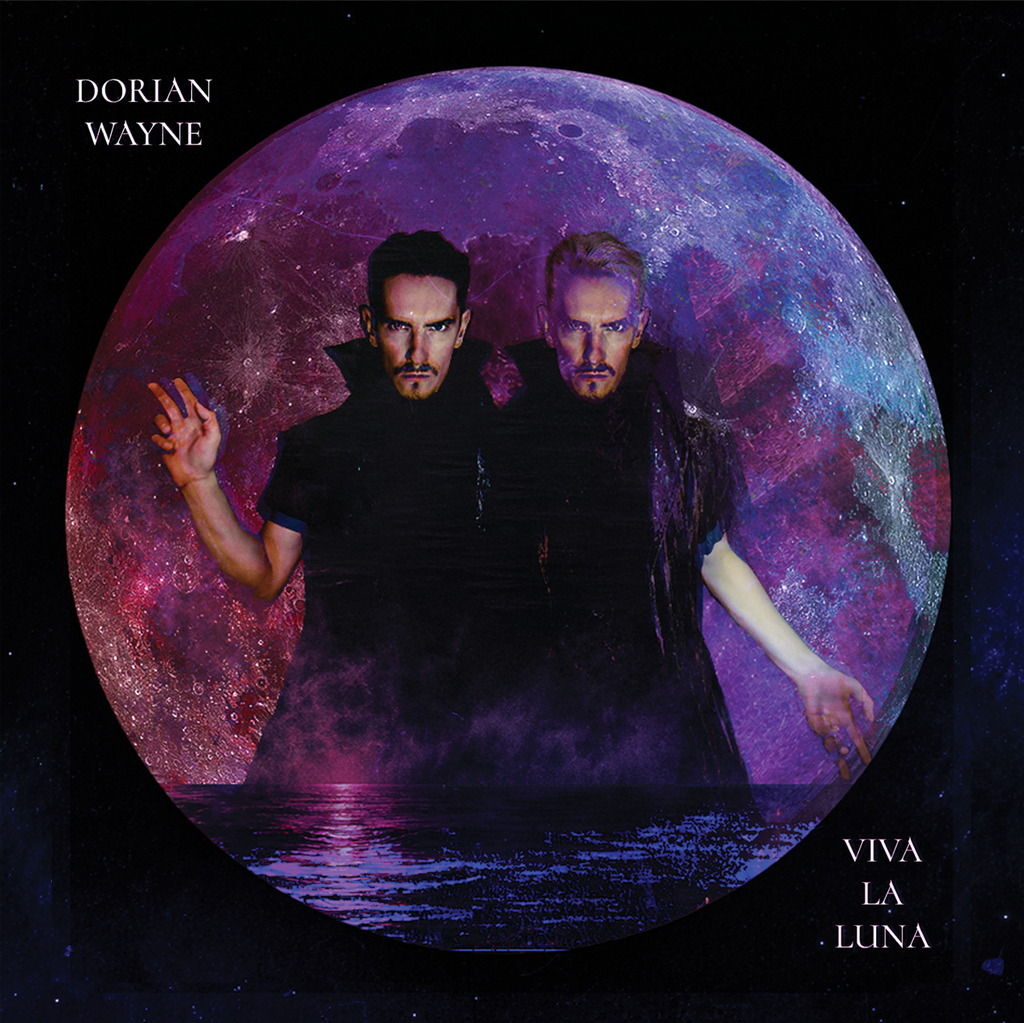
Dorian Wayne’s Viva La Luna is out on 1 October 2026 at 1:00 AM, the exact time the artist was born. It’s a 14-track debut released independently from Gdańsk, and we heard it in full at Other Voices ahead of release. We first came across him with “Horns”, the track he sent to Other Voices Radio, where it still plays alongside “One Wish”.
Dorian Wayne Viva La Luna review
Dorian recorded and produced the album at home, with a laptop, FL Studio and the microphone of a mobile phone.
The drum machine is basic almost from start to finish. When the keyboards are cheap, they sound cheap (the opening of “Moneydoll” has 1980s-style budget-keyboard tones, no offence meant). And the melody is often carried by the voice alone. That economy of means has a long history in darkwave, and here it gives two opposite results. If the song has a chorus to match, the simplicity works in its favour. If it doesn’t, you can see how little sits underneath.
Dorian Wayne’s weapon is the chorus. By the second track it’s clear he works on them and that they stick. Nearly everything good on the record comes from there.
Gahan in the register, Gaga in the hook
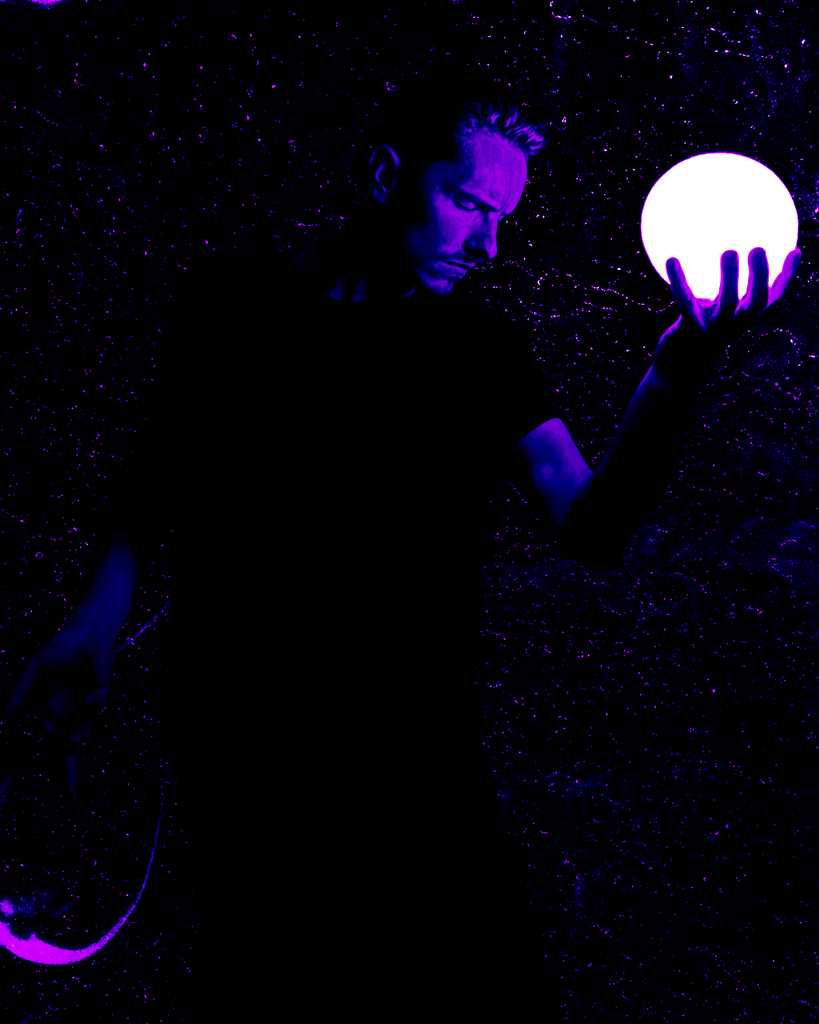
Dorian Wayne‘s voice is low, in the vein of Dave Gahan, and that’s where the first kinship with Depeche Mode comes from. The second is Lady Gaga, who turns up in how he finishes his choruses and in a taste for theatrical gesture. The whole album moves between those two references.
The crossover is the most interesting thing about it. A dark voice over music that leans pop more than darkwave produces a contrast that fits no box: neither synth-pop nor orthodox darkwave. “Horns” sums it up better than anything else, which is why it was the way in. That clash catches you and gives the record a different flavour from what usually lands in our inbox.
It comes at a price. The Gaga influence is very audible and at times overused. It’s his style and he shouldn’t be asked to hide it, but across fourteen tracks the same device becomes predictable.
The fourteen tracks, one by one
Opening: two big choruses and a dip (1 to 3)
“Danse Macabre” opens quietly. The low, Gahan-like voice sits over a very basic drum machine and a minimal production, and the melody rests on the singing. Then the chorus arrives, with its “danse macabre” delivered in Gaga fashion, and it’s epic. So epic that it beats the rest of the song: it’s better than everything around it. Still, it’s a good opener, because it lays out the whole formula.
“Buried Alive” enters with a more gothic-leaning keyboard and a more active drum machine that gives the track movement. Here it becomes clear that Dorian Wayne takes care over his choruses, and that track two repeats the trick successfully.
“Upside Down” slows things down. Another keyboard entrance, a slower tempo, and a voice that drops lower until it sounds a little forced in places. An arpeggiated synth runs underneath. The chorus doesn’t grab the way the previous two did, and the record loses momentum for the first time. It’s a competent song that arrives right after two wins and suffers by comparison.
From pop to incantation (4 to 7)
“Devil’s Bill” opens on guitar and sits closer to Lady Gaga’s range than to Depeche Mode or darkwave. It’s the poppiest song in this stretch. Around 1:45 a very good keyboard part appears, and that passage alone makes it worthwhile.
“Horns” is the lead single and the song that introduced us to Dorian Wayne. It’s hard to pin to a genre: dark voice, more pop music, neither synth-pop nor darkwave. That contrast hooks you and explains the record better than almost any other track. It plays on Other Voices Radio.
“The Witching Hour” opens with neither keyboard nor guitar but with a raven. Then comes the spell, the witching hour, with a passage that sounds like Latin. We’re no experts in dead languages, so we’re neither translating it nor vouching for it. Structurally it would sit in the same drawer as “Upside Down”: the Gaga influence shows and is sometimes overplayed, but it’s his trademark.
“One Wish” is the second single and also plays on the station. The worlds of Depeche Mode and Lady Gaga meet here in a blend that works. If you like both, you’ll love it, because Dorian takes the best of each and brings it to his own ground. It’s one of the three songs that hooked us the moment we heard it.
The middle: best and flattest (8 to 10)
“Black Dahlia” has a double vocal that works like a choir in several moments and a keyboard part with the feel of an old horror film. The drum machine does what it does across the album: it keeps time, simply. It’s the kind of song that grows with each play, since something new turns up every time.
“Moneydoll” starts with 1980s-style budget keyboard sounds, and in the bridge a female voice comes in and changes the song’s angle. The combination has its charm, but the result feels flatter than what came before. It’s the first properly weak moment of the run.
“Cold” raises the tempo and changes register again. Everything is minimal and the sounds are simple, yet it’s among the best on the record: good rhythm, a less strained voice, and the return of the second voice that helps this album so much. It shows that simplicity, well placed, delivers more than excess.
Closing stretch: one great song and three uneven ones (11 to 14)
“Lavender Goth” is one of the three best. Every song on this record begins differently, and this one starts with the arpeggiated bass and drum machine entering together. It grabs you from the first bar. It has an epic quality that’s hard to explain, with the blend of voices and a very well-placed keyboard. Great track.
“Sacrificed” struggles to keep its rhythm and drops the level again, with nothing much to point to. You could read it as album filler, with one difference: it doesn’t subtract.
“Wonderland” is another minimal song with a constant, simple rhythm. Nothing more. It plays and passes.
“The Clown” closes with a surprise: an organic drum kit that breaks completely with the line of the rest of the record. There are several voices, it’s catchy, and three-quarters of the way through comes another unexpected bridge. It’s a closer that takes a risk just when the record was in danger of fading out.
A darkwave debut in the independent scene of 2026
A darkwave debut album in 2026 lands in a scene saturated with material and quick listening, where the dominant format is the loose single. Dorian Wayne arrives with fourteen songs, which is already a statement. Almost nobody releases a record this long any more, and even fewer manage to keep everything at the same level. Hence the ups and downs.
Within Polish independent darkwave, this debut doesn’t compete on production or studio craft. Its ground is the hook-driven song made with very little, and there it holds its own against records with far bigger budgets.
Dorian Wayne talks about a record populated by Frankenstein, vampires and Dorian Gray, and about taking off a mask. Listening confirms there’s identity and a world of its own. Without the lyrics in front of us, we won’t claim a continuous storyline. What you do perceive is a journey of intensity, with rises and falls, more than a story with a beginning and an end.
The Other Voices verdict
Viva La Luna is a solid debut, easy to listen to and with a mind of its own. It suffers what long records suffer: not everything stands at the same height. The highs are very high (“Danse Macabre”, “One Wish”, “Lavender Goth”, “Cold”) and the lows (“Sacrificed”, “Wonderland”, “Moneydoll”) aren’t low enough to sink anything.
The weakest part is the middle and closing stretch, where the formula of a simple drum machine and constant rhythm starts to repeat and some of the edge of the early tracks is lost. And there’s an occasional overuse of the Gaga influence, which seduces the first time and feels predictable by the fifth.
The best part is Dorian Wayne’s ability to write choruses that stay, and to get real drive out of a drum machine and a few keyboards on the best three or four songs. Several tracks, “Black Dahlia” among them, deserve more listens than a first pass gives them.
A good piece of work overall. If it came on the radio, you wouldn’t change station.
Pre-save: https://ditto.fm/viva-la-luna